
· by Michael Blair, Nashville's Air Duct Cleaning
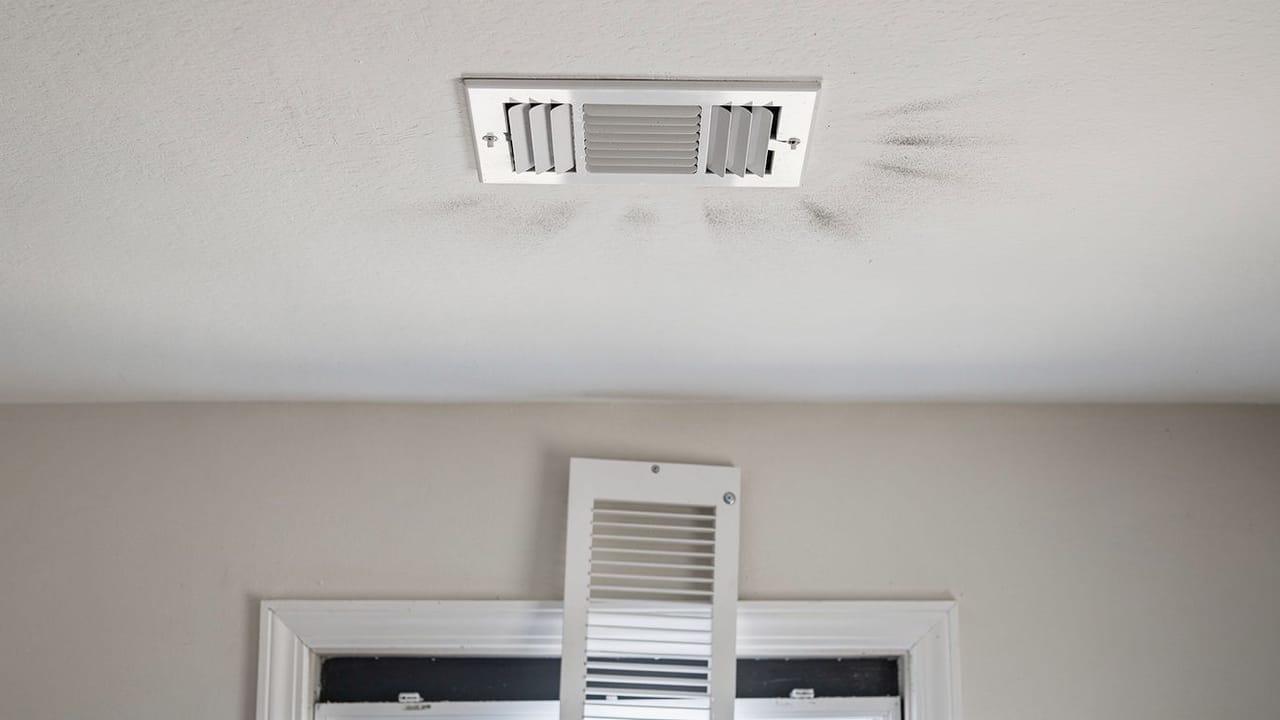
The vents are the only part of the duct system most people ever see, so they get blamed for a lot. A return grille furred with gray lint, a supply register with dark streaks fanned across the ceiling around it, a vent that puffs dust when the heat kicks on: each one looks like a reason to call a duct cleaner.
Some of them are. More of them are a ten-minute job with a screwdriver, or a sealing problem that no amount of cleaning will fix. Here is what vent cleaning covers, how to do your part, what the marks usually mean, and when the dirt really is coming from inside the ducts.
What does air vent cleaning actually cover?
It covers the registers, grilles and diffusers, and the short stretch of duct a vacuum can reach behind them, which is a small share of the system. EPA’s page on whether to have your air ducts cleaned says a proper cleaning takes in the whole heating and cooling system, ductwork and components alike, through access openings, with vacuum equipment that exhausts outdoors or through HEPA filters.
So a service sold as vent cleaning that only pulls the covers and vacuums the openings leaves the trunk lines, the blower and the coil untouched. That can be all a house needs. It just should not be priced or described as cleaning the ducts.
The same EPA page is reassuring about the return grilles. It says it is normal for them to collect dust, because the air being pulled into the system carries it, and that dusty returns alone do not mean the ducts are heavily contaminated. The grilles can simply be vacuumed or taken down and washed.
Can you clean the air vents in your house yourself?
Yes, and it is worth doing once or twice a year. Turn the system off at the thermostat first so the blower does not pull loosened dust deeper into the returns. Then take the screws out of each register and grille and wash them in a sink or a tub with warm water and dish soap, using a soft brush on the louvers. Let them dry fully before they go back up, especially steel ones.
While a cover is off, vacuum the opening and as far into the boot as the hose reaches. Use a vacuum with a good filter; EPA notes that vacuuming can put more dust in the air, and in the ducts, for a while afterward. Do not push a brush deep into a flexible duct, which tears more easily than it looks.
This is also the time to check the filter. Our post on choosing an HVAC filter covers which one the system can handle, and EPA’s first advice for keeping ducts clean is to use the most efficient filter the equipment maker allows and change it on schedule.
What causes black dust around a ceiling vent?
Most often it is air leaking around the register boot, not dirt blowing out of the duct. The boot is the sheet metal box the register screws into, and if the gap between it and the drywall is open, air moves through that gap between the room and the attic. The drywall edge acts like a filter, and fine dust and soot collect in a gray fan around the vent.
Tennessee’s energy code addresses that gap directly. In the 2018 IECC as adopted in Tennessee, Table R402.4.1.1, supply and return register boots that pass through the building envelope are to be sealed to the subfloor, wall covering or ceiling they penetrate. ENERGY STAR’s duct sealing guidance points to the same connections at floors, walls and ceilings as common leak points.
Two other causes are worth ruling out. Soot from candles or an oil lamp leaves the same kind of gray shadow and shows up near returns too. And spots that are fuzzy, come back quickly after cleaning and appear on supply vents in summer are more likely moisture, which our post on mold in an HVAC system covers.
When do dirty vents mean the ducts need cleaning?
When the dirt is coming out of the supply registers, or when there is mold or pests inside. EPA lists three conditions for considering duct cleaning: substantial visible mold inside hard ducts, ducts infested with rodents or insects, and ducts clogged with enough dust and debris that particles are released into the house from the supplies. It does not recommend cleaning on a routine schedule.
A flashlight down a supply boot tells you a lot. A light film of dust is normal. Clumps, debris, droppings or growth are not. If the dust keeps returning after the vents are clean and the filter is right, the source is usually a leak on the return side, which our post on dust that keeps coming back walks through.
When we look at a house for air duct cleaning, we pull registers, look into the boots and check the boot seals before we quote anything, and we tell you when sealing will do more than cleaning. If the vents in your house in Hendersonville or anywhere around Nashville keep getting dirty, ask us to take a look.
Sources
- U.S. EPA, Should You Have the Air Ducts in Your Home Cleaned? — Dusty return registers are normal and can be vacuumed or washed; cleaning considered for visible mold, vermin or debris released from supply registers; proper cleaning covers the whole system; vacuuming can raise dust; use the most efficient filter the maker allows
- Tennessee Residential Energy Code 2018 (IECC 2018), Table R402.4.1.1 (UpCodes) — HVAC supply and return register boots that penetrate the building thermal envelope sealed to the subfloor, wall covering or ceiling
- ENERGY STAR, Duct Sealing — Vent and register connections at floors, walls and ceilings as common leak points; seal with mastic or metal tape
FAQ
Air Vent Cleaning: Registers, Grilles and Dark Marks — questions
How often should air vents be cleaned?
Washing the registers and grilles and vacuuming the openings once or twice a year is enough for most houses, more often with pets or a remodel underway. Cleaning the ducts behind them is different: EPA does not recommend it on a routine schedule, only when there is mold, vermin or debris actually blowing out of the supply vents.
Does cleaning air vents help with dust?
It removes the dust sitting on the covers and in the openings, but it rarely changes how fast a house gets dusty. That depends more on the filter, on leaks pulling attic or crawl space air into the returns, and on everyday sources in the rooms. EPA notes that vacuuming itself can raise dust for a while.
What is the black stuff around my air vents?
Usually fine dust and soot filtered out of air moving through an unsealed gap between the register boot and the ceiling or wall. Tennessee’s energy code calls for those boots to be sealed to the surface they pass through. Candle soot can add to it, and fuzzy spots that return quickly may be moisture instead.
Is black dust around air vents mold?
Usually not. Gray or black streaks fanned out on the drywall around a vent are most often dust trapped by air leaking around the boot. Mold is more likely when the spots look fuzzy, appear on supply vents during cooling season and come back soon after cleaning. Those are worth having looked at.
Should return air grilles be dusty?
Some dust on a return grille is normal. EPA says return registers collect dust as air is drawn through them, and that this alone does not mean the ducts are heavily contaminated. Vacuum the grille or take it down and wash it, and check that the filter fits its slot without gaps.